How Senegalese Twists Work
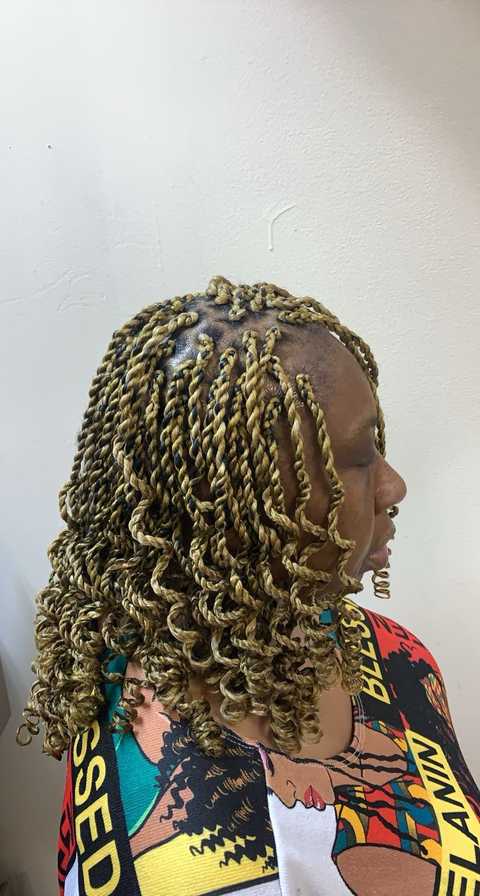
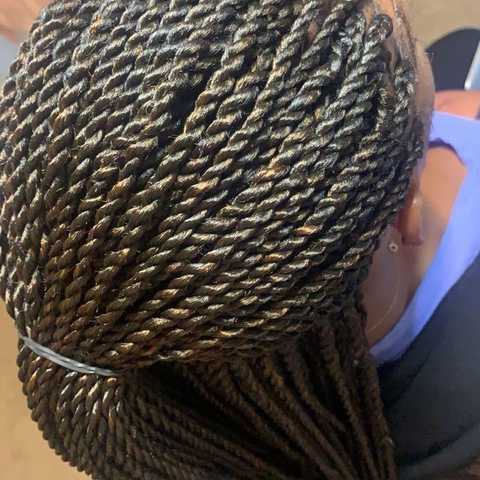
Senegalese twists are formed by twisting two strands of hair along the length to create a smooth, rope-like strand that lies sleek against the head. The final gloss and smoothness depend on hair preparation, consistent tension during twisting, and the client’s natural texture; those factors shape how the style sits and how it moves.
At Charlotte African hair braiding in Columbus a standard appointment is scheduled for 360 MINUTES to include consultation, preparation, and styling. Clients report a professional, gentle approach and often note they did not spend their entire day in the chair, which reflects efficient, careful work combined with a comfortable salon atmosphere.
Choosing the Right Finish
The polished, glossy finish many clients request comes from consistent twist tension and careful smoothing during styling; in humid Columbus summers that finish helps hair look controlled longer. Because travel season and holiday social calendars drive demand, many book this look specifically for Jun, Jul, Nov and Dec.
Maintaining the smooth finish requires trade-offs: lighter handling and protective night routines preserve gloss, while frequent water exposure or heavy manipulation can relax the twist. We discuss realistic maintenance during consultation so you can decide how often to refresh the style while protecting your scalp and natural strands.
Local Convenience and Scheduling
Our Midtown Columbus location near the RiverWalk is easy to reach from I-185 and Veterans Parkway, which makes quick drop-in appointments convenient for commuters. Flexible hours and an understanding of military and student schedules mean many clients can fit styling between work or class and often combine appointments with a walk on the RiverWalk or a National Infantry Museum visit.
Because smooth Senegalese Twist is especially popular for summer travel and winter holidays, plan ahead during peak months to secure preferred times. Quick appointments are more possible on off-peak days, but expect fuller schedules and longer lead times in Jun, Jul, Nov and Dec when demand climbs.